
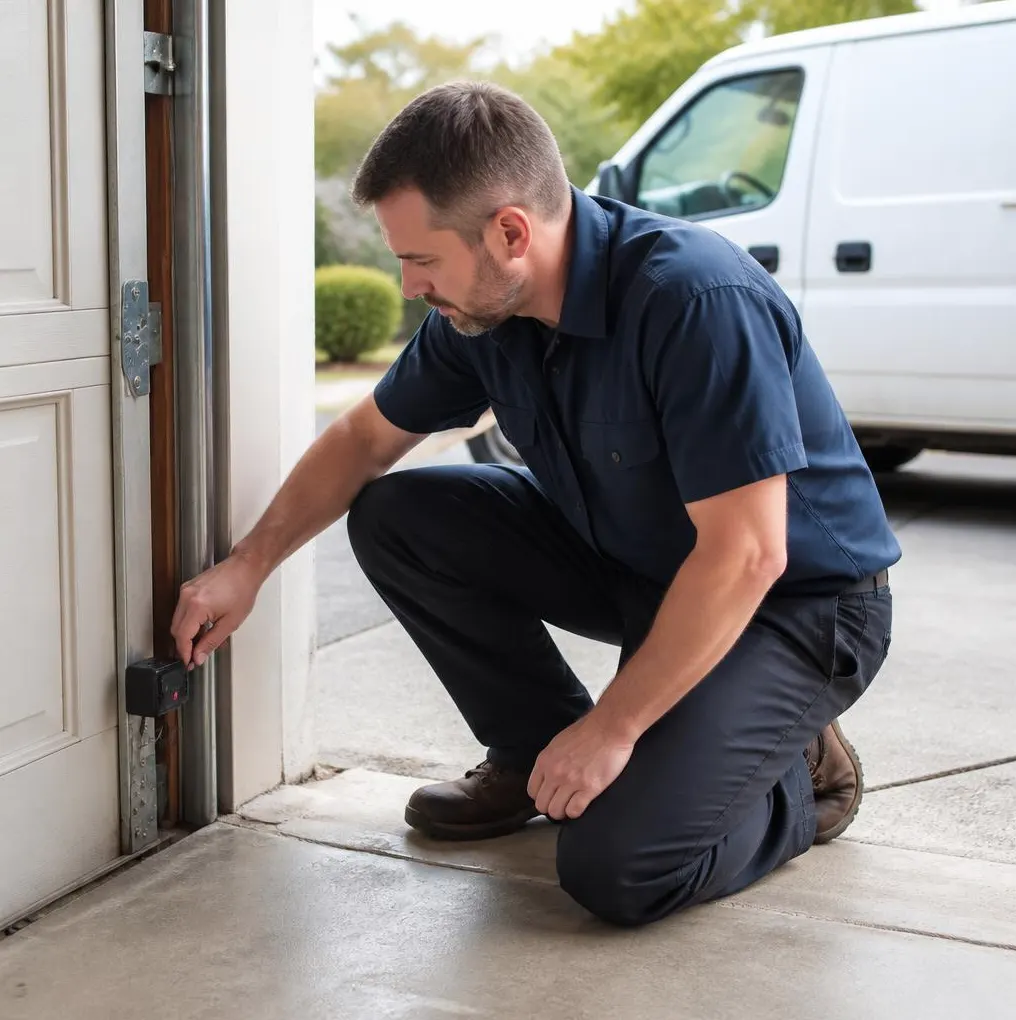
Short answer: in most rental agreements, the landlord is responsible for keeping the garage door and opener in safe working condition, and the tenant is responsible for routine care, reporting problems promptly, and paying for damage they caused. That's the general rule. The actual answer always comes down to what your specific lease says — so if you're arguing about it right now, go pull out the lease before you read another word.
The General Rule, and Why It's Not Always That Simple
Garage doors are usually treated like any other major system in a rental home — similar to a water heater or HVAC unit. Normal wear and tear, mechanical failure, and age-related breakdowns are typically on the landlord. Damage from misuse, neglect, or accidents is typically on the tenant. The tricky part is that garage doors have a lot of moving pieces, and not everyone agrees on what counts as "wear and tear" versus "something you broke."
What's Usually the Landlord's Responsibility
- Spring failure. Torsion and extension springs wear out from cycle count, not misuse. If one snaps after years of normal use, that's a landlord repair.
- Opener motor or circuit board failure. If the opener just stops working with no clear cause, that's a mechanical issue, not tenant damage.
- Cable fraying or snapping from age. Cables stretch and wear over time just like springs do.
- Rust and corrosion on tracks or hardware. In this part of Florida, humidity and salt air can eat into metal components faster than in drier climates, and that's considered normal environmental wear, not tenant fault.
- Door panels warping or swelling from long-term moisture exposure, especially on older wood or composite doors.
What's Usually the Tenant's Responsibility
- Off-track damage from hitting the door with a car or backing into it.
- Broken remotes or keypads from dropping them, losing them, or letting batteries corrode inside without replacing them.
- Dents or cracked panels from storing bikes, lawn equipment, or sports gear carelessly against the door.
- Not reporting a problem promptly. If a tenant hears grinding or sees the door sagging and ignores it for months until it fails completely, a landlord can often argue the delay made the damage worse.
- Routine upkeep like keeping the track clear of debris and letting the landlord know when something sounds off.
The Move-In Walkthrough: What to Actually Check
Most move-in disputes happen because nobody documented the door's condition on day one. Before you sign anything, walk out to the garage together and check:
- Does the door open and close smoothly, or does it jerk, stall, or make grinding noises?
- Is the door level when it's down, or does it sit crooked, suggesting a spring imbalance?
- Are there visible dents, cracks, or rust spots on the panels or tracks?
- Does the opener respond immediately to the remote and wall switch?
- Is the weatherstripping along the bottom intact, or cracked and curling? Florida humidity causes rubber seals to swell and deteriorate faster than in drier regions, so check this closely.
- Do the cables look frayed or rusted anywhere along their length?
- Does the door reverse properly when it hits an obstruction (a safety feature, not a nice-to-have)?
Take photos and timestamp them, or email yourself a description with the date. That single step prevents more arguments than anything else on this list.
Gray Areas That Cause Real Disagreements
Some situations don't fall cleanly into either column:
- Storm damage. If a hurricane-force gust buckles a door that wasn't rated for the wind load, that's generally a landlord issue tied to the property's condition — but if a tenant left the door open during a storm warning, that muddies things.
- Battery replacement for remotes and keypads is a minor cost tenants usually cover, similar to light bulbs.
- Routine maintenance and tune-ups (lubricating hinges, tightening hardware) are sometimes split depending on lease length — a landlord on a long-term lease might expect the tenant to handle basic upkeep, while a short-term rental agreement often puts it back on the owner.
When something falls in a gray area, the lease language wins the argument every time. If the lease is silent, that's worth clarifying in writing with the landlord before a problem shows up, not after.
Why Local Weather Makes This Worth Settling Early
Gilchrist County sees serious humidity, salt-tinged air if you're close enough to the coast, and hurricane-season storms that put real stress on garage doors — especially older ones that weren't built or reinforced for wind load. That combination means components wear out faster here than they would in a mild, dry climate: springs fatigue sooner, metal hardware rusts, and seals swell and crack. Knowing who's on the hook for those failures before they happen saves both landlord and tenant a stressful phone call during a tropical storm watch.
When to Call Trenton Garage Door Experts
Whether you're the landlord or the tenant, once you've figured out who's responsible, the actual repair still has to get done right. If the door is off track, making grinding noises, or the spring has let go entirely, call us for Off Track Door Repair or Garage Door Spring Repair — both are common move-in surprises in older rental properties around Trenton and the surrounding area. We'll diagnose the real cause (age, misuse, or storm stress), give you a written explanation either party can point to, and get the door working safely again.
If you're a landlord or tenant in Trenton, Chiefland, Newberry, Fanning Springs, Bell, Bronson, Williston, or Archer and need an honest second opinion on a garage door issue, call Trenton Garage Door Experts today.